
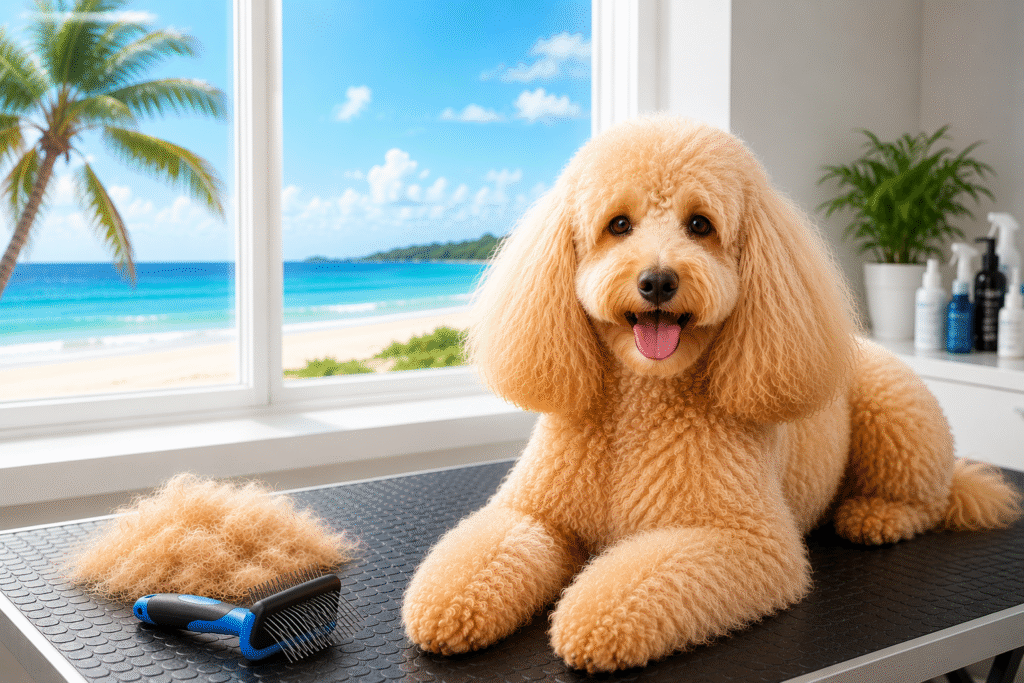
Should I Deshed My Dog in Summer? Everything You Need to Know for a Healthier Summer Coat
As temperatures rise, many dog owners notice one thing almost immediately—hair everywhere. Your floors, furniture, clothing, and even your car seem to collect an endless layer of fur. It’s no surprise that one of the most common questions professional groomers receive during the warmer months is:
“Should I deshed my dog in summer?”
The short answer is yes—for many breeds, professional deshedding is not only safe during the summer, but highly beneficial.
However, there’s an important distinction every pet owner should understand. Deshedding is not the same as shaving. In fact, removing loose undercoat while preserving your dog’s natural outer coat helps regulate body temperature, improves skin health, and keeps your dog more comfortable throughout the hottest months of the year.
In this guide, we’ll explain why summer deshedding matters, which dogs benefit the most, how often it should be done, and why proper coat maintenance is one of the best investments you can make in your dog’s health.
What Is Deshedding?
Deshedding is the process of removing loose, dead hair from your dog’s undercoat without damaging the protective outer coat.
A professional deshedding treatment typically includes:
Thorough brushing
Undercoat removal
Specialized deshedding shampoos and conditioners
High-velocity drying
Coat inspection
Skin evaluation
Unlike shaving, deshedding preserves your dog’s natural insulation while eliminating excess hair that no longer serves a purpose.
Why Dogs Shed More During Summer
Many breeds naturally shed more heavily during seasonal transitions.
As temperatures increase, dogs begin releasing part of their dense winter undercoat to better adapt to warmer weather.
This process is especially noticeable in breeds such as:
Golden Retrievers
Labrador Retrievers
German Shepherds
Siberian Huskies
Australian Shepherds
Bernese Mountain Dogs
Without regular grooming, that loose undercoat becomes trapped inside the coat, leading to excessive shedding and reduced airflow to the skin.
Should You Deshed Your Dog in Summer?
For most double-coated dogs, the answer is absolutely.
Professional deshedding during summer helps:
Remove loose undercoat
Improve air circulation through the coat
Reduce excessive shedding around the home
Prevent coat compaction
Improve overall comfort
Support healthy skin
Contrary to popular belief, leaving excessive dead undercoat trapped inside the coat can actually make your dog less comfortable in warm weather.
Deshedding Helps Dogs Stay Cooler
Many owners assume removing hair makes dogs hotter because “they lose insulation.”
The opposite is often true.
A healthy double coat works much like home insulation—it helps regulate body temperature by protecting dogs from both heat and cold.
When dead undercoat builds up, airflow becomes restricted.
Removing only the loose undercoat allows fresh air to circulate more efficiently while maintaining the protective guard hairs that shield your dog from direct sunlight.
Professional groomers focus on preserving this natural cooling system.
Why You Shouldn’t Shave Most Double-Coated Dogs
One of the biggest summer grooming myths is that shaving keeps dogs cooler.
For breeds with double coats, shaving is rarely recommended unless medically necessary.
Shaving may:
Damage coat texture
Affect future hair growth
Reduce natural UV protection
Increase the risk of sunburn
Interfere with the coat’s ability to regulate temperature
Professional deshedding is almost always a better solution than shaving for healthy double-coated dogs.
Which Dogs Benefit Most From Summer Deshedding?
Summer deshedding is particularly beneficial for:
Double-Coated Breeds
Golden Retriever
Labrador Retriever
Husky
German Shepherd
Australian Shepherd
Border Collie
Bernese Mountain Dog
Heavy Seasonal Shedders
Dogs that experience noticeable spring and summer coat blowouts.
Active Outdoor Dogs
Dogs that spend significant time outdoors often accumulate dirt, debris, pollen, and loose undercoat more quickly.
What About Doodles and Poodles?
Goldendoodles, Labradoodles, and Poodles are different.
These breeds don’t shed heavily like double-coated dogs.
Instead, loose hair becomes trapped inside the curly coat, leading to:
Mats
Tangles
Skin irritation
While they don’t require traditional deshedding, they still benefit greatly from:
Frequent brushing
Professional grooming every 4–6 weeks
Coat maintenance throughout the summer
How Often Should Dogs Be Deshed During Summer?
The ideal schedule depends on breed, coat type, and lifestyle.
General recommendations include:
Every 4–6 Weeks
Ideal for:
Golden Retrievers
Huskies
German Shepherds
Australian Shepherds
Every 6–8 Weeks
Ideal for:
Moderate shedders
Short-coated breeds
Professional groomers may recommend more frequent appointments during peak shedding season.
Signs Your Dog Needs a Summer Deshedding Treatment
Watch for these common signs:
Hair covering furniture daily
Large amounts of fur coming out while petting
Coat feels unusually thick or compacted
Increased scratching
Strong dog odor
Dull-looking coat
Visible loose undercoat
If brushing produces handfuls of loose fur, it’s usually time for a professional deshedding session.
Can You Deshed Too Much?
Yes.
Removing healthy guard hairs or overusing deshedding tools can damage the coat.
Professional groomers understand:
Breed-specific coat structure
Safe deshedding techniques
Proper tool selection
Coat preservation
The goal is to remove only loose, dead undercoat—not healthy protective hair.
Benefits Beyond Less Hair in Your Home
Many owners schedule deshedding simply to reduce shedding indoors.
However, the benefits go much further.
Professional deshedding also helps:
Improve skin health
Increase coat shine
Prevent painful matting
Reduce allergens trapped in the coat
Improve airflow to the skin
Make brushing easier between appointments
Keep dogs more comfortable in warm weather
Healthy coats are easier to maintain and less prone to skin problems.
Summer Grooming Tips for Dog Owners
In addition to regular deshedding:
Brush your dog several times each week.
Keep your dog well hydrated.
Avoid walking during the hottest hours of the day.
Provide plenty of shade outdoors.
Never shave a double-coated breed without veterinary or professional grooming advice.
Schedule regular grooming appointments before shedding becomes excessive.
Preventive grooming is always easier—and more comfortable—than correcting neglected coat issues later.
Final Thoughts
So, should you deshed your dog in summer?
For many breeds, absolutely.
Professional deshedding removes loose undercoat while preserving the protective outer coat that helps regulate your dog’s body temperature. It reduces shedding, supports healthier skin, improves airflow, and keeps your dog more comfortable throughout the hottest months of the year.
Rather than shaving your dog’s coat, maintaining it properly is often the healthiest approach.
If you’re unsure whether your dog would benefit from a summer deshedding treatment, consult a professional groomer who understands your dog’s breed, coat type, and individual grooming needs. A customized grooming plan will keep your dog looking beautiful, feeling comfortable, and enjoying the season to the fullest.