
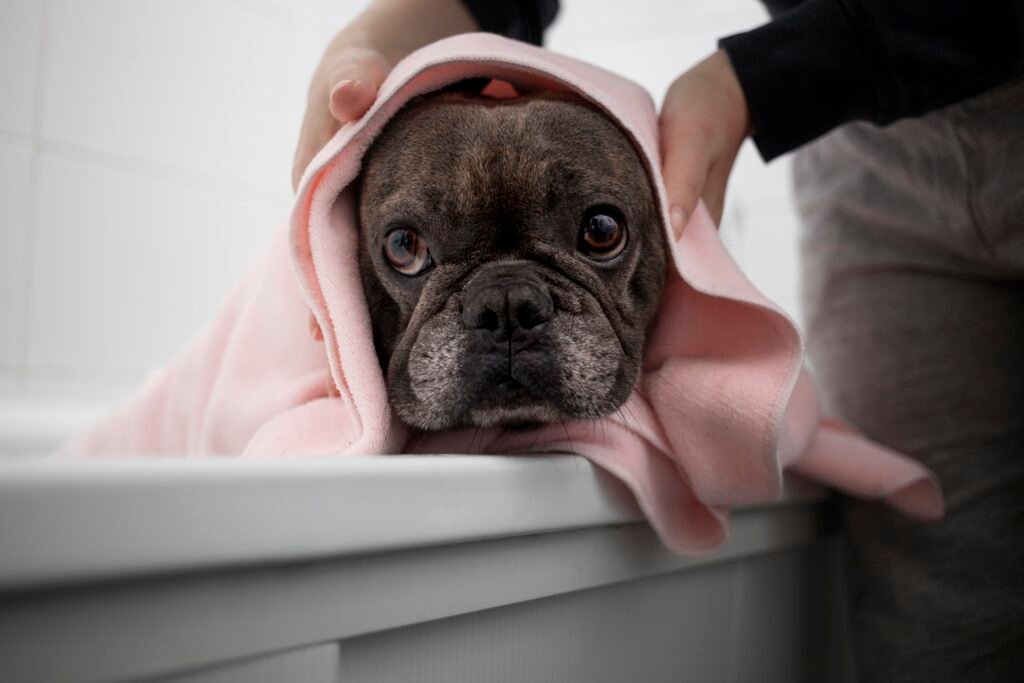
What Not to Do When Bathing a Dog: 15 Common Mistakes Every Pet Owner Should Avoid
Bathing your dog may seem like one of the easiest parts of pet care, but even well-intentioned owners can make mistakes that affect their dog’s skin, coat, and overall health.
One of the most frequently asked questions professional groomers hear is:
What should I avoid when bathing my dog?
The truth is, a proper bath is about much more than simply applying shampoo and rinsing it off. Water temperature, coat preparation, product selection, drying techniques, and even brushing all play an important role in keeping your dog’s skin healthy and their coat in excellent condition.
As professional groomers, canine coat specialists, and pet care experts, we’ve seen firsthand how small bathing mistakes can lead to skin irritation, painful matting, excessive shedding, dry coats, and unnecessary veterinary visits.
In this guide, we’ll explain the most common dog bathing mistakes and how to avoid them, helping you create a safer, healthier, and more enjoyable grooming routine for your best friend.
1. Using Human Shampoo
One of the biggest mistakes dog owners make is using human shampoo.
Human skin has a different pH level than canine skin. Products formulated for people can strip away your dog’s natural protective oils, leaving the skin dry, itchy, and irritated.
Always choose a high-quality shampoo specifically formulated for dogs, ideally one recommended by your veterinarian or professional groomer.
2. Skipping the Brushing Before the Bath
Many owners bathe first and brush later.
Professional groomers do the opposite.
Brushing before the bath removes:
• Loose hair
• Dirt
• Small tangles
• Surface debris
More importantly, water tightens existing mats, making them significantly harder—and often more painful—to remove afterward.
For long-haired and double-coated breeds, pre-bath brushing is essential.
3. Using Water That’s Too Hot or Too Cold
Dogs are sensitive to water temperature.
Water that’s too hot can:
• Irritate the skin
• Cause discomfort
• Dry out the coat
Water that’s too cold may:
• Increase stress
• Make bathing unpleasant
• Reduce cleaning effectiveness
The ideal bath uses lukewarm water that’s comfortable to the touch.
4. Getting Water Inside the Ears
A dog’s ears are sensitive and vulnerable to moisture buildup.
Excess water trapped inside the ear canal can increase the risk of:
• Ear infections
• Yeast overgrowth
• Inflammation
Professional groomers carefully avoid directing water into the ears and gently dry them afterward.
Never force cotton swabs deep into the ear canal.
5. Not Rinsing Thoroughly
Leaving shampoo residue behind is surprisingly common.
Soap left in the coat can cause:
• Itching
• Dry skin
• Dull fur
• Skin irritation
Professional groomers often spend nearly as much time rinsing as they do shampooing.
If you think you’ve rinsed enough, rinse once more.
6. Bathing Too Frequently
More baths don’t necessarily mean a healthier dog.
Overbathing may strip away natural oils that protect the skin and coat.
The appropriate bathing schedule depends on:
• Breed
• Coat type
• Lifestyle
• Medical conditions
Many healthy dogs only require bathing every four to eight weeks, although active dogs or those with skin conditions may need different schedules.
7. Using Too Much Shampoo
More shampoo does not equal a cleaner dog.
Excess product is:
• Harder to rinse
• More likely to leave residue
• Wasteful
Professional groomers use the proper dilution ratios recommended by manufacturers to achieve optimal cleaning while protecting the skin.
8. Forgetting to Dry the Coat Completely
A damp coat creates an ideal environment for bacteria and yeast.
Moisture trapped close to the skin may contribute to:
• Hot spots
• Skin irritation
• Unpleasant odors
• Matting
Long-haired and double-coated dogs should be dried thoroughly after every bath.
Professional groomers often use high-velocity dryers to remove moisture deep within the coat.
9. Ignoring the Paw Pads
Bath time is the perfect opportunity to inspect your dog’s feet.
Check for:
• Cracked paw pads
• Embedded debris
• Overgrown hair
• Cuts or abrasions
Healthy paws are essential for your dog’s comfort and mobility.
10. Bathing Without Protecting the Eyes
Soap in the eyes is uncomfortable and can cause irritation.
When washing the face:
• Use a damp cloth
• Avoid pouring water directly over the eyes
• Use tear-free products specifically designed for dogs when appropriate
Gentle handling makes the experience much less stressful.
11. Rushing the Bath
Dogs respond to your energy.
Moving too quickly often increases anxiety and resistance.
Professional groomers use calm, confident handling and allow dogs time to adjust throughout the bathing process.
Patience creates a much better experience for everyone involved.
12. Using the Wrong Products for Your Dog’s Coat
Not all shampoos are created equal.
Different coat types may require specialized formulas for:
• Sensitive skin
• Dry coats
• Heavy shedding
• Curly coats
• White coats
• Puppies
Choosing products designed for your dog’s specific needs produces healthier long-term results.
13. Neglecting to Check the Skin During the Bath
Bath time provides an excellent opportunity to examine your dog’s skin.
Look for:
• Lumps
• Bumps
• Rashes
• Parasites
• Hot spots
• Excessive redness
Early detection allows veterinary concerns to be addressed before they become more serious.
—
14. Allowing Mats to Stay Wet
Matted fur traps moisture against the skin.
This creates an environment where:
• Bacteria thrive
• Skin infections develop
• Odors increase
• Mats tighten even further
If your dog has significant matting, consult a professional groomer before attempting to bathe them.
—
15. Assuming Bathing Replaces Professional Grooming
Bathing is only one part of proper coat maintenance.
Professional grooming also includes:
• Thorough brushing
• Deshedding
• Nail trimming
• Ear cleaning
• Sanitary care
• Coat shaping
• Skin evaluations
Even owners who regularly bathe their dogs benefit from routine professional grooming appointments.
How Often Should You Bathe Your Dog?
While every dog is different, general guidelines include:
Every 4–6 Weeks
Ideal for:
• Poodles
• Goldendoodles
• Labradoodles
• Shih Tzus
• Maltese
Every 6–8 Weeks
Ideal for:
• Golden Retrievers
• Australian Shepherds
• Border Collies
Every 8–12 Weeks
Often sufficient for:
• Short-haired breeds with healthy skin
Dogs with allergies, medical conditions, or active outdoor lifestyles may require customized bathing schedules recommended by a veterinarian or professional groomer.
Final Thoughts
Knowing what *not* to do when bathing your dog is just as important as knowing the proper bathing technique.
Avoiding common mistakes helps protect your dog’s:
• Skin health
• Coat quality
• Comfort
• Hygiene
• Overall well-being
A successful bath isn’t measured by how clean your dog looks immediately afterward—it’s measured by the long-term health of their skin and coat.
When done correctly, bathing becomes much more than a cleaning routine. It’s an essential part of preventive care that keeps your dog comfortable, healthy, and looking their absolute best.
And if you’re ever unsure about the right products, techniques, or grooming schedule for your dog’s unique coat, a trusted professional groomer can provide personalized guidance to ensure your four-legged companion receives the highest standard of care.